When it comes to cardiovascular health, timing is everything. While many people associate heart trouble with sudden, dramatic chest pain, the body often sends subtle “big spur” warning signs long before a major event occurs. Recognizing these indicators early can be the difference between a minor check-up and a life-threatening emergency.
Recognizing the Subtle Shifts
The most common mistake is dismissing discomfort as simple fatigue or indigestion. However, persistent symptoms that occur during physical exertion—and subside with rest—are classic red flags. If you notice unusual shortness of breath while performing routine tasks like climbing stairs or carrying groceries, your heart may be struggling to keep up with your body’s oxygen demands. Do not ignore this; it is often a sign that your arteries are narrowing.
- •Why Everyone Is Talking About Arturo Perez Shadow Health Right Now
- •Is Barbara Avery Still Alive Trends In 2025 That You Can’t Afford To Miss
- •Discontinued Keebler Chocolate Fudge Sandwich Cookies Secrets Finally Revealed ” You Won’t Believe #3!
- •Breaking News: Quizlet Joing That Could Change Everything
- •D R Horton Floor Plans Warning Signs You Shouldn’t Ignore
Physical Indicators You Shouldn't Ignore
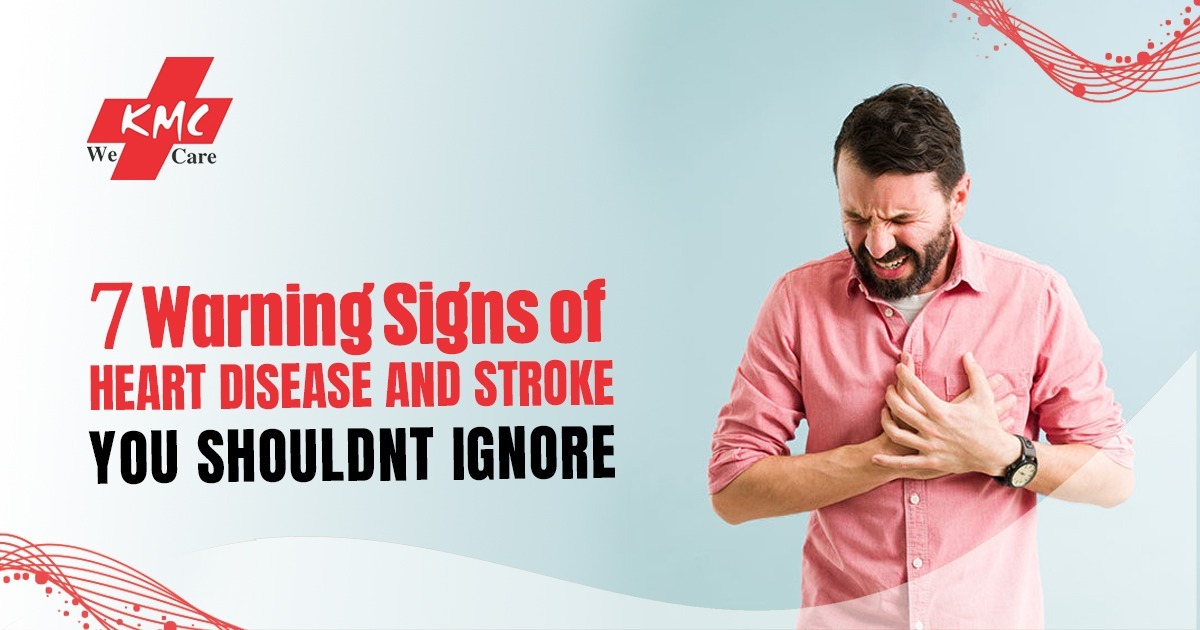
Beyond breathing issues, pay close attention to “referred pain.” This doesn't always manifest in the chest. Many individuals report unexplained discomfort in the jaw, neck, back, or left arm. This happens because the nerves serving the heart share pathways with nerves in other parts of the body. Additionally, sudden bouts of lightheadedness, cold sweats, or unexplained nausea—especially when accompanied by physical activity—are significant warning signs that require immediate medical evaluation.
Taking Action
If you experience these symptoms, listen to your body and prioritize a professional assessment. A quick ECG or a consultation with a cardiologist can provide peace of mind or, better yet, catch a brewing problem while it is still manageable. Remember, your heart doesn't always scream for help; sometimes, it just whispers. Being proactive is the most effective way to protect your long-term health and vitality.
To explore further academic studies and guidelines, refer to search results on Official Academic & Government Portals.