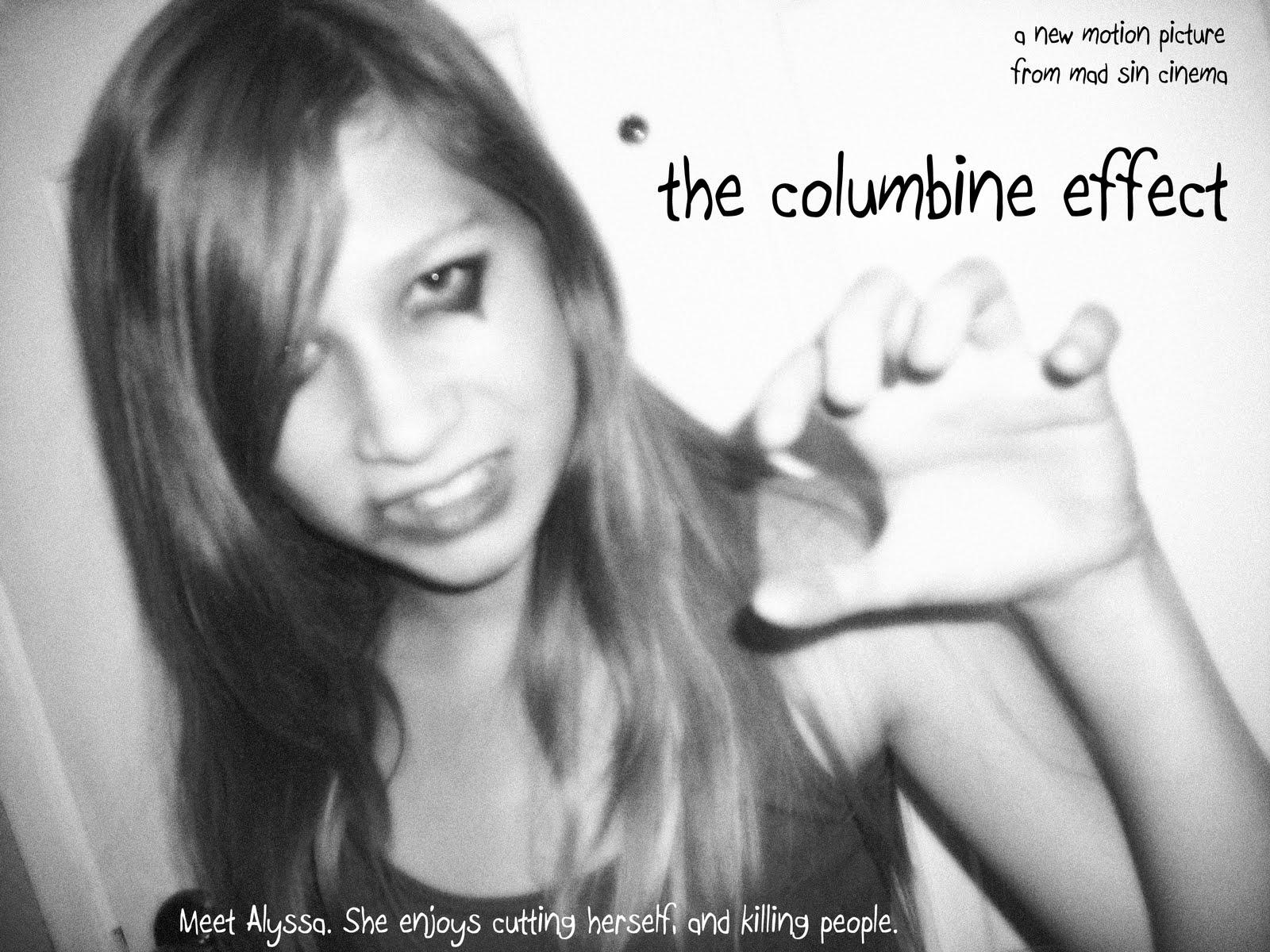
The case of Alyssa Bustamante remains one of the most chilling examples of juvenile violence in American history. In 2009, the fifteen-year-old Missouri resident shocked the nation when she confessed to the brutal murder of her nine-year-old neighbor, Elizabeth Olten. The incident left a community shattered and sparked a national conversation about the intersection of mental health, violent media, and the capacity for cruelty in adolescence.
A Crime Without Apparent Motive
What made the case particularly disturbing was the apparent lack of a traditional motive. Investigators discovered that Bustamante had dug two graves in the woods days before the crime, suggesting a level of premeditation that defied typical adolescent impulsivity. Following the murder, her diary entries revealed a disturbing detachment, where she described the act as "ah, amazing" and "pretty enjoyable." These writings became central to the prosecution’s argument, highlighting a profound lack of empathy that experts struggled to categorize.
- •Victor Davis Hansons Daughter The Family Secret That Will Shock You
- •**From Dharma To Now: Has Jenna Elfman's Age Truly Caught Up? (Spoiler: No!)**
- •Jimmy Kimmel Live Time Schedule How To Watch
- •Union Fetch Your Ultimate News Hub
- •Expert Reveals Student Masteryconnect And The Path To Academic Excellence
The Legal Aftermath and Lingering Questions
Bustamante was charged as an adult and ultimately pleaded guilty to second-degree murder and armed criminal action. In 2012, she was sentenced to life in prison with the possibility of parole. While the legal proceedings concluded, the tragedy left lasting scars on the Olten family and the small town of St. Martins. The case continues to be a subject of intense academic and psychological study, serving as a grim reminder of how childhood trauma, social isolation, and internal psychological fractures can culminate in an unthinkable tragedy. It remains a cautionary tale that underscores the importance of early intervention and the persistent mystery of why some lives veer so sharply toward darkness.
Additional context and verified research data can be verified on Wikipedia's Public Archives.