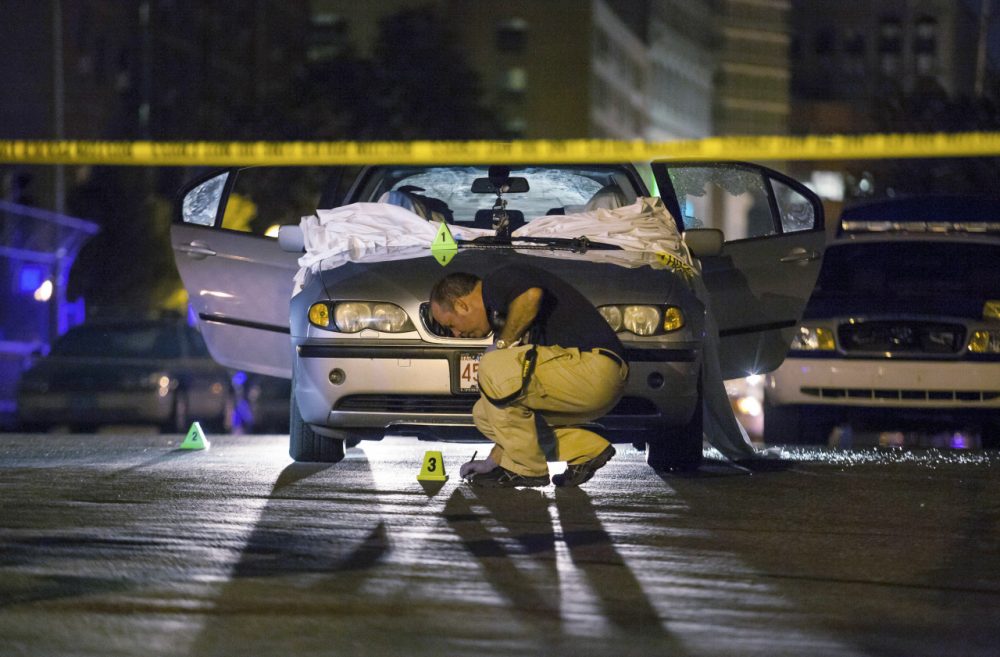
In 2025, the digital landscape surrounding true crime has shifted dramatically, with the Aaron Hernandez case remaining a focal point of intense public fascination. As investigative journalism evolves, a new trend has emerged: the forensic analysis and digital reconstruction of historical crime scene photos. Enthusiasts and researchers are no longer just viewing archival images; they are utilizing advanced AI-driven tools to better understand the spatial dynamics of the 2013 investigation.
The Shift Toward Digital Forensics
The latest trend involves the democratization of forensic technology. In 2025, online platforms are hosting interactive 3D renderings of the North Attleborough scene, allowing users to analyze sightlines and evidence placement with unprecedented clarity. This shift reflects a broader public desire to move beyond sensationalist headlines and engage with the granular details of criminal proceedings. By applying modern data visualization to legacy case files, digital sleuths are uncovering nuances that were previously overlooked by traditional media outlets.
- •Breaking News: Nhc Mugshots That Could Change Everything
- •Craigslist Orlando Gigs Warning Signs You Shouldn’t Ignore
- •Why Everyone Is Talking About Jefferey Dahmer Crime Scene Photos Right Now
- •Missouri Casenet Name Search Explained: What They Don’t Want You To Know
- •How Pb Post Booking Blotter Became The Internet’s Hottest Topic
What You Need to Know
While the accessibility of these resources is a major trend, it is crucial to approach them with a sense of ethical responsibility. The movement toward "open-source intelligence" (OSINT) in true crime means that information is more available than ever, but context remains king. If you are exploring these trends this year, prioritize reputable platforms that emphasize verified forensic data rather than speculative content. Understanding the difference between objective evidentiary analysis and online conjecture is the most important skill for any true crime enthusiast in 2025. By focusing on the technical evolution of how we process these historical crime scenes, you gain a deeper, more accurate understanding of one of the most complex cases in modern sports history.
For more details and authoritative references, refer to the official documentation on Wikipedia.