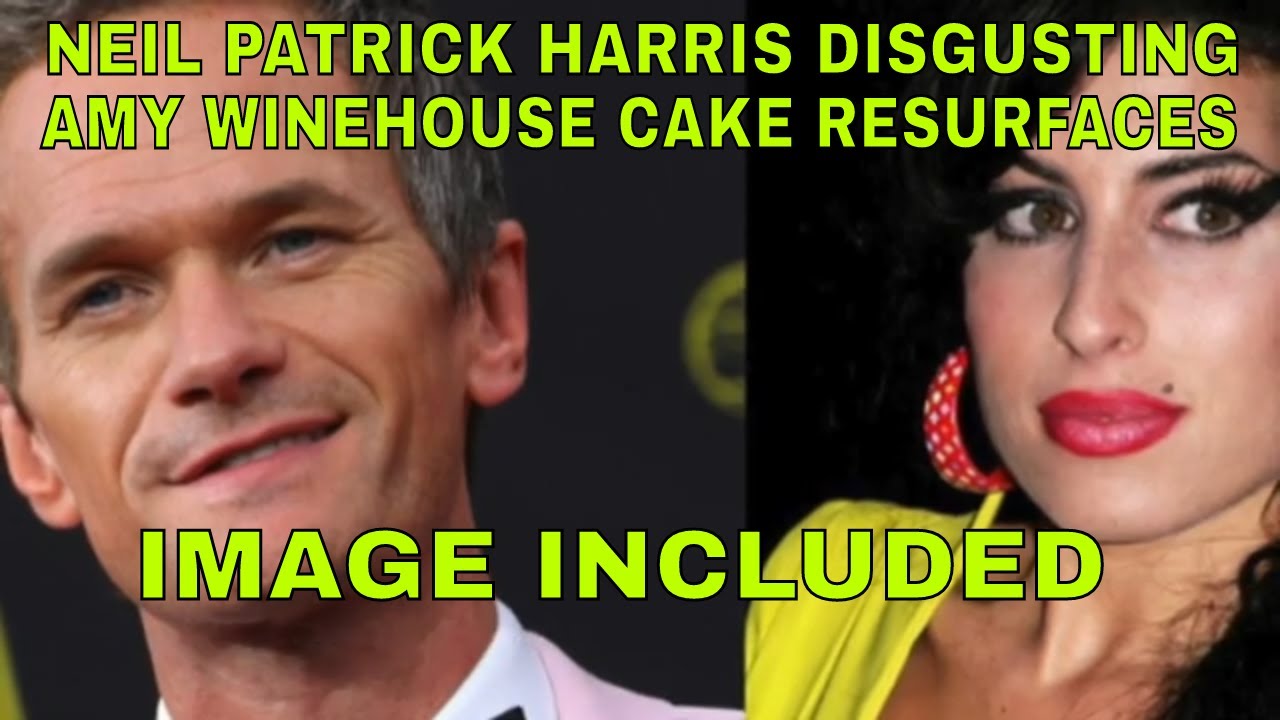
The Infamous Halloween Cake
In 2011, actor Neil Patrick Harris found himself at the center of a viral firestorm after a photograph from his 2011 Halloween party resurfaced years later. The image featured a graphic, morbid cake designed to look like the corpse of late singer Amy Winehouse. The confection, which depicted the star with cigarette burns and a decaying appearance, was intended as a shock-value prop but quickly became a lightning rod for public outrage.
A Digital Reckoning
When the photo gained traction on Twitter years after the fact, the internet’s reaction was swift and unforgiving. Users across the platform expressed deep discomfort and offense, labeling the cake as "tasteless," "cruel," and "disrespectful" to the memory of a talented artist who had passed away just months prior to the party. The discourse highlighted the growing power of social media to hold celebrities accountable for past behavior, even when those actions occurred in private settings.
- •Michael Hall The Inspiring Journey Of A Remarkable Individual
- •The Untold Story Of 2pac And Diddys Complicated Relationship A Deep Dive
- •Dublin Airport Terminal Evacuated What You Need To Know
- •Finally, A Snoring Fix Joe Rogan Would Approve Of? (Find Out Now!)
- •The Shocking Truth About Juicyjoycey Just Blew Our Minds
The Aftermath and Apology
As the backlash intensified, the image became a permanent stain on Harris’s public image, frequently resurfacing whenever he faced public scrutiny. In 2022, the actor finally addressed the controversy, publicly apologizing for the "regrettable" decision. He acknowledged that the cake was ill-conceived and expressed remorse for the pain it caused Winehouse’s fans and family. The incident serves as a poignant reminder of the internet's long memory and the evolving standards for celebrity decorum in the digital age. What was once considered a "daring" party joke in a private circle was transformed by the internet into a symbol of insensitivity that required a decade-long reckoning.
Additional context and verified research data can be verified on Wikipedia's Public Archives.