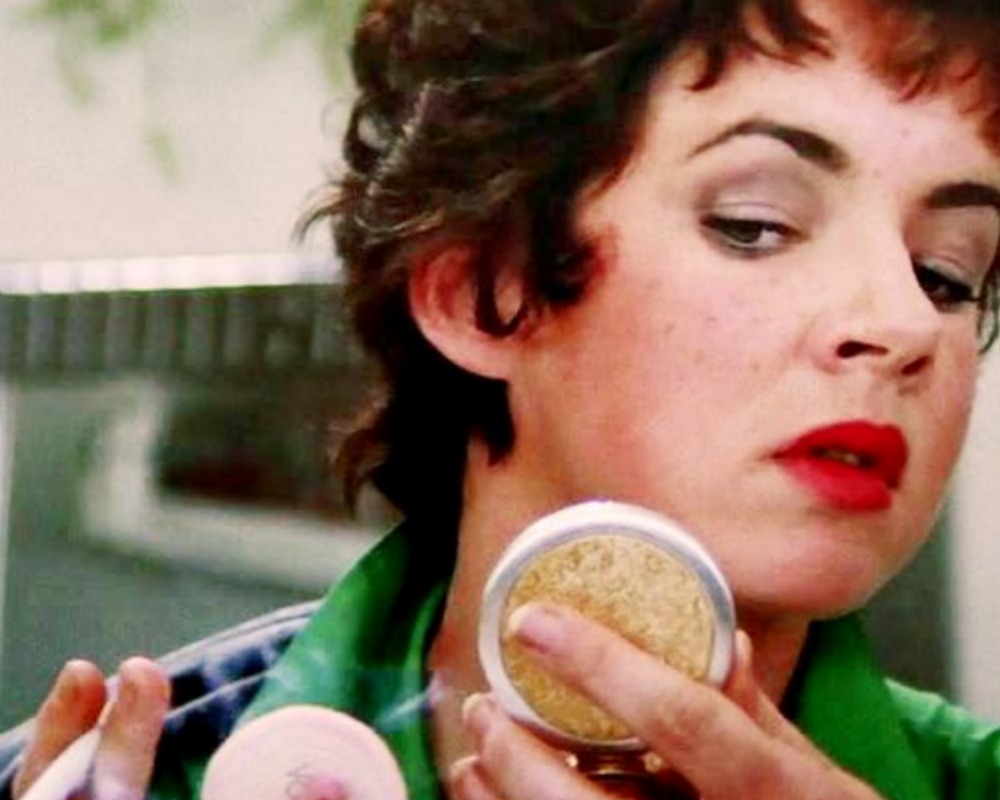
Few characters from musical theatre have etched themselves into the cultural consciousness with the same indelible ink as Betty Rizzo from "Grease." Decades after her debut, Rizzo remains a compelling figure, embodying a complex blend of rebellion, vulnerability, and unapologetic self-possession that continues to resonate with audiences across generations.
Editor's Note: Published on October 26, 2023. This article explores the facts and social context surrounding "rizzo in grease".
Origins and Definitive Portrayal
The character of Betty Rizzo emerged from the original 1971 stage musical "Grease," created by Jim Jacobs and Warren Casey. From the outset, Rizzo was conceived as the tough-talking, sardonic leader of the Pink Ladies, a stark contrast to the saccharine idealism often associated with 1950s nostalgia. Her role was to provide a dose of gritty realism and cynicism, acting as a foil to the more innocent Danny and Sandy. However, it was the 1978 film adaptation that solidified Rizzo's legendary status, largely due to Stockard Channing's transformative performance.
Channing, then 34, brought an unexpected depth and maturity to the high school student, infusing Rizzo with a captivating mix of bravado and underlying fragility. Her portrayal transcended the stage's initial blueprint, elevating Rizzo from a mere stereotype to a three-dimensional character capable of commanding significant empathy and understanding. Channing's distinctive look, powerful vocals, and nuanced acting choices ensured that her Rizzo would become the definitive interpretation, shaping public perception for years to come.
- •The Ultimate Guide Lucid Costa Mesa A Hub Of Innovation And Sustainability
- •Exploring The Meaning Behind The Barren Trump Song A Deep Dive
- •The Ultimate Guide To The Narnia Dawn Treader Cast Discover The Magic Behind The Movie
- •Unveiling The Musical Support Rappers That Endorse Trump
- •Dustin Moskovitz The Visionary Cofounder Of Facebook And Asana
"She was the character that refused to be put in a box. Rizzo was a rebel, but she was also deeply sensitive and fiercely loyal, a combination that made her incredibly human and, frankly, unforgettable."
Unpacking Rizzo's Complex Persona
Rizzo's enduring appeal lies in her multifaceted personality, which challenges simplistic categorizations. On the surface, she is the archetypal "bad girl" a smoker, a drinker, sexually experienced, and unafraid to speak her mind, often with biting sarcasm. She mocks convention and societal expectations, particularly those placed upon young women of her era. Yet, beneath this hardened exterior, a profound vulnerability exists, hinted at through subtle glances and ultimately laid bare in pivotal moments.
The storyline involving her pregnancy scare is perhaps the most crucial arc for understanding Rizzo's inner turmoil. This event strips away her carefully constructed defenses, revealing a young woman grappling with fear, uncertainty, and the very real consequences of her actions within a judgmental society. It is during this period that her iconic ballad, "There Are Worse Things I Could Do," takes on its full significance. The song is not merely a declaration of defiance; it is a raw, emotional confession of her refusal to compromise her authentic self, even if it means enduring societal disapproval and personal pain. She would rather be scorned for being herself than admired for being someone she is not.
Additional context and verified research data can be verified on Wikipedia's Public Archives.